
GallStone Treatment
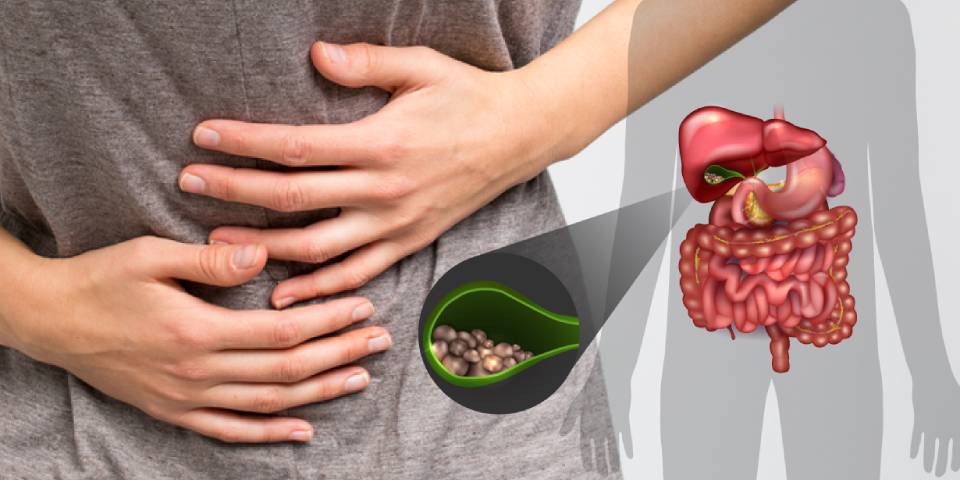
Gallstones are hard deposits that form in the gallbladder. The gallbladder is a small, pear-shaped organ that sits under the liver. It stores bile, a fluid that helps to digest fats. Gallstones are common, affecting about 1 in 10 people in the United States. They are more common in women than men, and they are more likely to develop as you get older.
Most gallstones do not cause any symptoms. However, if a gallstone blocks the bile duct, it can cause pain in the upper right abdomen. The pain may be severe and can last for several hours. Other symptoms of a blocked bile duct may include nausea, vomiting, fever, and jaundice (yellowing of the skin and eyes).
If you have gallstones, you may need surgery to remove the gallbladder. There are two types of surgery for gallstones: laparoscopic cholecystectomy and open cholecystectomy. Laparoscopic cholecystectomy is a minimally invasive surgery. It is performed through small incisions in the abdomen. Open cholecystectomy is more traditional surgery. It is performed through a larger incision in the abdomen.
The type of surgery that you will have will depend on the size and location of your gallstones, as well as your overall health.
There are a number of myths and misconceptions about gallstones and their treatment. Here are some of the most common myths:
Reality: While eating fatty foods can increase your risk of developing gallstones, they are not the only cause. Other factors that can increase your risk of gallstones include being overweight or obese, being female, being over the age of 40, and having a family history of gallstones.
Reality: There is no scientific evidence to support the use of home remedies to dissolve gallstones. In fact, some home remedies, such as apple cider vinegar, can actually be harmful.
Reality: Not necessarily. If you have small gallstones that are not causing any symptoms, you may be able to manage them with lifestyle changes, such as losing weight and eating a healthy diet. However, if your gallstones are causing symptoms or if they are large, you may need surgery to remove the gallbladder.
If you are concerned that you may have gallstones, it is important to see a doctor. They can perform a physical exam and order tests, such as an ultrasound, to confirm the diagnosis.
If you do have gallstones, there are a number of treatment options available. Your doctor will work with you to create a treatment plan that is right for you.
If you are looking for a skilled and experienced surgeon to remove your gallbladder, I would highly recommend Dr. Bhushan Chittawadagi. He is a general surgeon in Bangalore, India, with over 18 years of experience in the field of laparoscopic GI & HPB surgery. He is a highly skilled and experienced surgeon, and his patients consistently give him high ratings. He is committed to providing his patients with the highest quality care, and he always strives to find the best treatment options for each individual patient.