
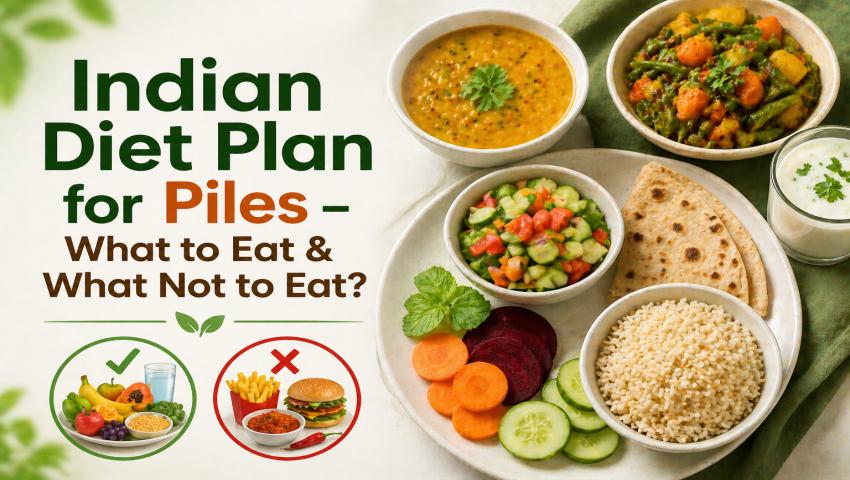
Piles, also known as haemorrhoids, is one of the most common health problems in India. It causes pain, bleeding, and discomfort during bowel movements. Many people suffer silently because they feel embarrassed to talk about it. But the good news is — the right diet can make a big difference.
Dr. Bhushan Chittawadagi, one of the most trusted and experienced Best Piles Doctor in Bangalore, always says that diet is the first step in managing piles. With over 18+ years of surgical experience, 10,000+ successful surgeries completed, 8,000+ happy patients treated, and a remarkable 95% success rate, Dr. Bhushan Chittawadagi has helped thousands of patients manage and overcome piles through the right lifestyle and dietary changes.
In this blog, we bring you a simple and practical Indian diet plan for piles. Read on to know exactly what to eat and what to avoid.
What Are Piles? A Quick Overview
Piles are swollen veins inside or around the rectum and anus. They can be internal or external. Common symptoms include bleeding during stools, itching, swelling, and discomfort. Poor diet, lack of fibre, dehydration, and a sedentary lifestyle are the main causes of piles in India.
If you are experiencing these symptoms, it is important to consult the Best Piles Doctor in Bangalore at the earliest. Early treatment and diet changes can prevent surgery in many cases.
Why Does Diet Matter in Piles?
Your diet directly affects your bowel movements. Hard stools and constipation are the biggest triggers for piles. When you strain to pass stools, pressure builds up in the rectal veins, worsening the condition.
A high-fibre diet with plenty of fluids makes stools softer and easier to pass. This reduces strain, lowers pressure in the veins, and helps piles heal naturally. As a Best Gastroenterologist in Bangalore, Dr. Bhushan Chittawadagi always recommends diet modification as the first line of management before any medical intervention.
Indian Foods to Eat for Piles Relief:
India has a rich variety of natural, fibre-rich foods that are excellent for managing piles. Here is a complete list of what you should include in your daily diet:
1. High-Fibre Fruits:
- Papaya – Aids digestion and softens stools naturally.
- Banana – Eases bowel movements and reduces constipation.
- Guava – Rich in fibre; eat with seeds for best results.
- Pear – Excellent source of soluble and insoluble fibre.
- Figs (Anjeer) – Natural laxative effect; soak overnight and eat in the morning.
- Pomegranate – Reduces inflammation and supports gut health.
2. Vegetables for Piles Patients:
- Spinach (Palak) – High in fibre and magnesium for smooth bowel movements.
- Bottle Gourd (Lauki) – Light on the stomach and easy to digest.
- Ridge Gourd (Turai) – Excellent for constipation relief.
- Drumstick (Moringa) – Anti-inflammatory properties help reduce piles swelling.
- Carrot – Rich in fibre; promotes healthy digestion.
- Sweet Potato – Natural laxative; great for piles patients.
3. Whole Grains and Legumes:
- Brown rice – Better than white rice for digestion.
- Whole wheat chapati – Rich in dietary fibre.
- Oats (Daliya) – Ideal breakfast for piles patients.
- Moong dal – Easy to digest and gentle on the gut.
- Masoor dal – Good fibre content with good protein.
- Chickpeas (Chole) – Fibre-rich but consume in moderate quantity.
4. Fluids and Hydration:
Drinking 8–10 glasses of water daily is non-negotiable for piles patients. Dehydration makes stools hard and worsens the condition. You can also include:
- Coconut water – Hydrating and cooling for the gut.
- Buttermilk (Chaas) – Excellent for digestion; a staple in Indian homes.
- Jeera (cumin) water – Reduces bloating and aids digestion.
- Fresh fruit juices (without sugar) – Especially amla and pomegranate juice.
Foods to Avoid If You Have Piles:
Just as important as knowing what to eat is knowing what to avoid. Certain foods make piles worse by causing constipation, inflammation, or irritation in the digestive tract.
1. Spicy and Oily Foods:
- Spicy curries, pickles, and masalas irritate the anal lining.
- Deep-fried snacks like samosas, pakoras, and puris worsen constipation.
- Avoid red chilli in excess – it can cause burning and bleeding.
2. Refined and Processed Foods:
- White rice, maida (refined flour), and white bread – lack fibre.
- Biscuits, cakes, and bakery products – contribute to constipation.
- Packaged snacks and junk food – high in salt and low in nutrition.
3. Dairy Products (in Excess):
- Excess milk and cheese can cause constipation in some people.
- Paneer in large quantities may slow down digestion.
- Opt for curd/yoghurt instead – it contains healthy gut bacteria.
4. Alcohol and Caffeinated Drinks:
- Alcohol dehydrates the body and makes stools harder.
- Excess tea and coffee contribute to dehydration.
- Aerated cold drinks and sodas worsen bloating and inflammation.
Sample Indian Diet Plan for Piles (One Day):
- Early Morning (6:30 AM): 1 glass warm water with lemon + 5 soaked figs (anjeer)
- Breakfast (8:00 AM): Oats daliya with vegetables OR 2 whole wheat chapatis with moong dal
- Mid-Morning (10:30 AM): 1 seasonal fruit (papaya or banana) + 1 glass coconut water
- Lunch (1:00 PM): 2 whole wheat chapatis + sabzi (lauki or spinach) + moong dal + salad (cucumber, carrot)
- Evening Snack (4:30 PM): A glass of chaas (buttermilk) + handful of roasted chana
- Dinner (7:30 PM): Khichdi with moong dal + steamed vegetables + a bowl of curd
- Before Bed (9:30 PM): 1 glass of warm milk with a pinch of turmeric (haldi) OR jeera water
Lifestyle Tips to Support Your Diet for Piles: Diet alone is not enough. Combine it with healthy habits for the best results:
- Exercise daily – Even a 30-minute walk can improve bowel regularity.
- Do not hold the urge – Go to the toilet when you feel the need.
- Avoid sitting for too long – Get up and move every hour.
- Practice Yoga – Poses like Pawanmuktasana and Malasana are beneficial for piles.
- Maintain a healthy weight – Excess weight increases pressure on rectal veins.
- Sleep on time – Poor sleep affects digestion.
When Should You See a Doctor?
Diet can manage mild piles effectively. But if you experience any of the following, it is time to consult a specialist immediately:
- Bleeding during stools that does not stop
- Severe pain and swelling around the anus
- A lump near the anus that does not go back
- Piles that keep returning despite diet changes
- Anaemia due to recurrent blood loss
Do not delay. Piles that are left untreated can progress to a more serious stage requiring surgery. Early consultation with a qualified Colorectal Surgeon in Bangalore can save you from unnecessary pain and complications.
Why Choose Dr. Bhushan Chittawadagi for Piles Treatment in Bangalore?
Dr. Bhushan Chittawadagi is one of the most renowned and trusted specialists for piles and colorectal conditions in Bangalore. Here is why thousands of patients trust him:
- 18+ years of hands-on surgical experience in laparoscopic and GI surgery
- 10,000+ successful surgeries completed across Bangalore
- 8,000+ happy patients with life-changing outcomes
- 95% success rate – one of the highest in Bangalore
- Trained under the legendary Prof. C. Palanivelu at GEM Hospital, Coimbatore
- Award-winning surgeon with national and international recognition
- Practices at two leading hospitals – HOSMAT Hospital and Trilife Hospital, Bengalore.
Whether you need dietary guidance, medical management, or advanced surgical treatment for piles, Dr. Bhushan Chittawadagi is the Best Gastroenterologist in Bangalore to consult. He believes in a holistic approach – treating the root cause, not just the symptoms.
Conclusion:
Piles can be painful and distressing. But with the right Indian diet and healthy lifestyle, you can manage and even reverse the condition naturally. Eat fibre-rich foods, drink plenty of water, avoid spicy and processed foods, and stay active.
And if diet changes alone are not enough, do not hesitate to reach out to Dr. Bhushan Chittawadagi, the most trusted Colorectal Surgeon in Bangalore. He and his expert team will guide you with the safest and most effective treatment options personalised to your condition.