Rectal prolapse is a distressing condition that can affect daily life and confidence. It occurs when the rectum slips out through the anus, causing discomfort, pain, and difficulty in bowel movements. If not treated on time, it can lead to complications and reduced quality of life.
If you are looking for Rectal Prolapse Treatment in Bangalore, expert care is essential for accurate diagnosis and effective treatment. Dr. Bhushan Chittawadagi, a highly experienced and Best Gastroenterologist in Bangalore, has 18+ years of surgical experience in advanced gastrointestinal and laparoscopic procedures. He has successfully performed 10,000+ surgeries, including complex colorectal and rectal prolapse surgeries, with excellent outcomes.
He currently practices at HOSMAT Hospital, and Trilfe Hospital, Bangalore, where he offers advanced and minimally invasive surgical care. With a 95% success rate and 8,000+ happy patients, Dr. Bhushan Chittawadagi provides trusted and patient-focused treatment for rectal prolapse.
What Is Rectal Prolapse?
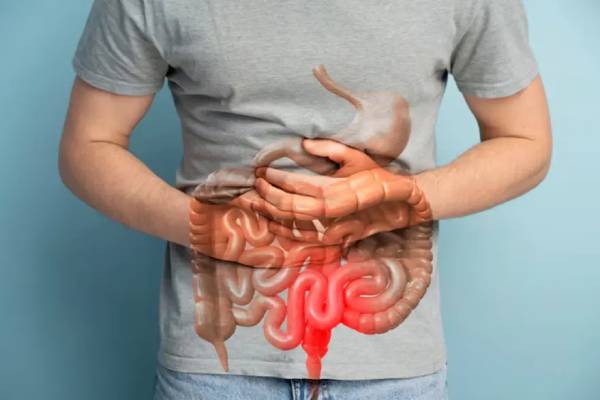
Rectal prolapse is a condition where the rectum( the final part of the large intestine) slips out of its normal position and protrudes through the anus. It can cause discomfort, pain, bleeding, and difficulty controlling bowel movements. More common in aged women, rectal prolapse is treatable with both surgical and nonsurgical techniques. Early opinion and treatment are important for the best outcomes.
What are the signs or symptoms of rectal prolapse?
According to the best gastro surgeon in Bangalore, Dr Bhushan Chittwdagi these symptoms collectively indicate the presence of rectal prolapse.
- A noticeable bulge or mass protruding from the anus, especially after bowel movements.
- Anal pain or discomfort.
- Difficulty controlling bowel movements (fecal incontinence).
- Mucous discharge from the protruding tissue.
- Rectal bleeding.
- A sensation of incomplete bowel evacuation.
Causes of Rectal Prolapse:
Rectal prolapse usually develops due to weakening of the pelvic floor muscles and supporting tissues. Some common causes include:
- Chronic constipation and excessive straining
- Age-related weakening of muscles
- Previous pelvic or rectal surgeries
- Long-term diarrhoea
- Neurological disorders affecting bowel control
- Childbirth-related pelvic muscle damage
Understanding the cause helps in planning the right treatment approach.
Risk Factors of Rectal Prolapse:
- Age (more common in older adults)
- Chronic constipation or straining during bowel movements
- Chronic diarrhea or conditions that increase abdominal pressure
- Previous pelvic surgery
- Neurological conditions affecting the nerves controlling bowel movements
- Family history of pelvic floor disorders
- Female gender (more common in women)
Diagnosis of Rectal Prolapse:
Diagnosing rectal prolapse typically involves:
- Physical Examination: Dr. Bhushan conducts a thorough visual examination and homemade examination of the anus and rectum to assess the extent and characteristics of the prolapse.
- Imaging Tests: Advanced imaging methods similar to defecography, MRI, or colonoscopy may be used by him to give detailed perceptivity into the condition, abetting in precise opinion and treatment planning.
- Medical History: He discusses the patient’s symptoms and medical history in depth, enabling a comprehensive understanding of the existent’s health and contributing factors to conform to an effective individual approach.
Treatments for Rectal Prolapse:
Treatment options for rectal prolapse vary depending on the severity and the patient’s health factors, Dr. Bhushan Chittawadgi offers both surgical and nonsurgical interventions. The choice between these options depends on factors similar to the extent of prolapse, the patient’s overall health condition, and their preferences for treatment outcomes and recovery.
Non-Surgical Treatments:
- Salutary Changes Increasing fiber input can help better bowel movements and reduce straining.
- Medications Laxatives or coprolite softeners may be specified to alleviate constipation and reduce strain on the rectum.
- Pelvic Floor Exercises Physical remedy exercises can strengthen pelvic bottom muscles, providing better support for the rectum and reducing prolapse threat.
Surgical Treatments:
- Rectopexy: This surgical procedure involves displacing and keeping the rectum to the surrounding structures to avert prolapse.
- Resection Rectopexy: In cases where the rectum is severely damaged or when other treatments fail, a portion of the rectum may be removed and the remaining rectum reattached and guarded( rectopexy).
- Perineal Procedures: Minimally invasive surgeries like perineal recto sigmoidectomy involve penetrating the rectum through the perineum( the area between the anus and genitals) to correct the prolapse.
As per Dr. Bhushan Chittawadagi a famed Colorectal specialist in Bangalore, treatment selection depends on factors similar to the patient’s overall health, severity of prolapse, and preferences. A thorough evaluation by a healthcare provider is pivotal to determining the most applicable treatment plan.
Why Choose Dr. Bhushan for Rectal Prolapse Treatment in Bangalore?
Dr. Bhushan Chittawadagi is one of the most trusted specialists for Rectal Prolapse Treatment in Bangalore. He is widely recognised as a Best Gastroenterologist in Bangalore and an expert in advanced laparoscopic and GI surgeries. With 18+ years of experience, he has successfully treated thousands of patients suffering from rectal prolapse and other colorectal conditions.
Key Reasons to Choose Dr. Bhushan:
Extensive Experience: Dr. Bhushan Chittawadagi has over 18 years of experience in gastrointestinal and laparoscopic surgeries, including complex rectal prolapse cases.
Proven Surgical Expertise: He has performed 10,000+ successful surgeries with excellent clinical outcomes and high precision.
High Patient Satisfaction: More than 8,000 happy patients have received long-term relief and improved quality of life under his care.
Excellent Success Rate: Maintains a 95% success rate in advanced GI and laparoscopic procedures.
Expert in Advanced Techniques: He specialises in laparoscopic rectal prolapse surgery, minimally invasive procedures, and advanced robotic techniques for faster recovery and less pain.
Award-Winning Surgeon: Dr. Bhushan Chittawadagi has received several prestigious national and international awards, including:
- KS National Robotic Surgery Video Award (2021) by Vattikutti Foundation
- Best Video Award at ACRLS 2020 for robotic esophagectomy
- Best Paper Award at ICES 2019 for advanced laparoscopic procedures
- Best Poster Award at IASGCON 2017
These recognitions reflect his excellence in modern surgical techniques and dedication to patient care.
Patient-Centred Approach: He provides personalised treatment plans using the latest technology. His focus is always on patient comfort, safety, and faster recovery.
Dr. Bhushan Chittawadagi treats every patient with care and attention. If you are looking for safe and effective Rectal Prolapse Treatment in Bangalore, he ensures the best possible results with advanced and trusted treatment methods.
Frequently Asked Questions (FAQ's):
Dr. Bhushan has extensive experience in rectal prolapse repair, which generally boasts a success rate of about 80-90%. Patients typically experience significant improvement in symptoms and a reduced risk of recurrence after the procedure.
The cost of rectal prolapse surgery can vary depending on factors such as the hospital, surgeon’s fees, and the specific type of surgery performed. It’s advisable to consult with healthcare providers or hospitals for accurate pricing details.
Prolapse surgery typically lasts between 1 to 3 hours, depending on the complexity and specific type of procedure being performed.
Rectopexy is often considered one of the best surgical options for rectal prolapse, offering effective long-term results with low recurrence rates.
Dr. Bhushan suggests rectal prolapse can be managed without surgery through non-surgical methods such as pelvic floor exercises (Kegel exercises), dietary changes (increasing fiber intake), and medications (such as stool softeners or laxatives) to improve bowel habits and reduce straining. However, complete resolution without surgery is less common for significant prolapse cases.
Prolapse surgery is commonly performed in patients typically over the age of 50, though the age can vary based on individual health and symptoms.