
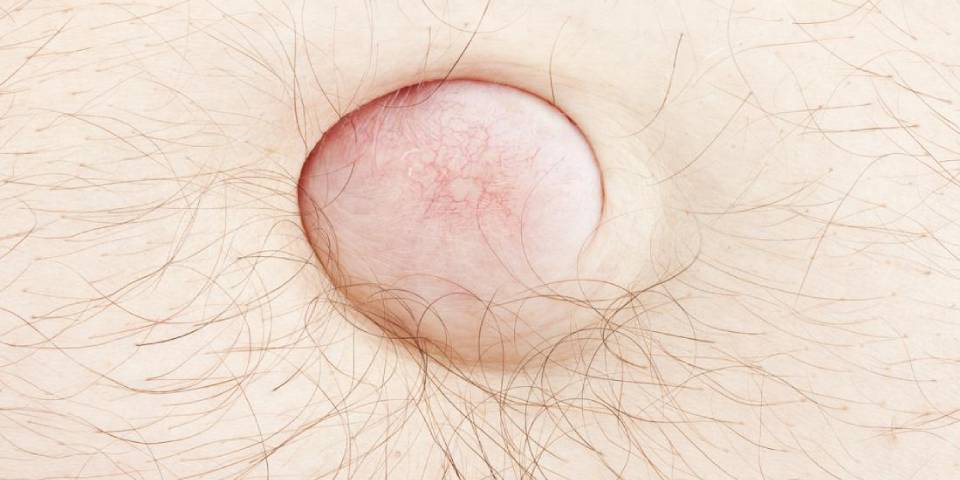
Hernia-What is it?
A hernia is a medical condition in which an organ or tissue protrudes through an opening or weakened area in the muscle or connective tissue that surrounds it. The most common types of hernias occur in the abdomen or groin area, but they can also occur in other parts of the body.
Hernias can be caused by a variety of factors, including aging, genetics, obesity, pregnancy, and heavy lifting or straining. The symptoms of a hernia can include a visible bulge, discomfort or pain, a feeling of heaviness or pressure, and nausea or vomiting.
As you mentioned, not all hernias require immediate surgery. Small, asymptomatic hernias may be monitored by a doctor and treated with lifestyle changes or non-surgical methods, while larger or symptomatic hernias typically require surgery to repair the weakened area and prevent complications.
Why do I need Hernia Surgery?
A hernia occurs when an interior organ or tissue protrudes through a weak area of muscles or connective tissue. In most cases, a hernia will not go away on its own and may require surgery. Your doctor may recommend hernia surgery if the hernia is causing you pain, discomfort, or if it is getting larger over time.
In some cases, a hernia can become trapped inside the abdominal wall, causing a condition called incarceration. If left untreated, incarceration can lead to a more serious condition called strangulation, where the blood supply to the trapped tissue is cut off. Strangulation can cause permanent injury and may require emergency surgery. If you experience sudden pain, nausea, fever, or the hernia becomes red, purple, or dark, you should immediately see a hernia specialist in Bangalore, Seek medical help from Dr. Bhushan Chittawadagi.
Hernia surgery involves pushing the bulge back inside your body and repairing the weakened area of muscle or connective tissue to prevent the hernia from recurring. The type of hernia surgery recommended will depend on the location and severity of the hernia, as well as your overall health.
Types of Hernia Surgery:
There are two important types of hernia surgery: open surgery & laparoscopic surgery. Doctors can remove your hernia in one of two methods. Both are performed in a hospital or surgery center. Also, you can usually go with your family within a few days. In most cases, you can leave the hospital the same day after your surgery.
Open surgery:
Your doctor will perform the open surgery treatment in the following steps:
- General anesthesia is given to the patient before surgery.
- The surgeon makes an incision near the hernia.
- The hernia is pushed back into place, cut off, or removed.
- The muscle area where the hernia is pushed through is closed with stitches.
- For larger hernias, a flexible mesh may be added for additional support and to prevent recurrence.
Laparoscopic surgery:
Your doctor will perform laparoscopic surgery in the following steps:
- The abdomen is inflated with gas to allow a better view of organs. This gives the doctor a better view of your organs
- Incisions are made around the hernia
- A laparoscope (thin tube with a camera) is inserted
- Hernia is repaired with mesh using laparoscope images as a guide.
The type of surgery needed depends on the size, type, and location of the hernia, as well as the patient’s age, lifestyle, and health. Recovery time is shorter with laparoscopic surgery, and patients may go home within a week. While hernia treatment is generally safe and beneficial, there are still some risks associated with the procedure.
What are the Risks of Hernia Surgery?
Hernia treatment is generally considered safe, but like all surgeries, it does carry some risks. These risks include:
- Wound infection
- Blood clots: These can form during and after the surgery if you are under anesthesia for an extended period and not moving.
- Pain: It is normal to experience some soreness as you recover, but some people may develop chronic, long-lasting pain after surgery for a groin hernia. The procedure may damage some nerves, but laparoscopic surgery may cause less pain than open surgery.
- Recurrence: There is a risk of the hernia returning after surgery. Using mesh during surgery can reduce this risk by up to 50%.
If you are looking for hernia surgery then the best hernia surgeon in Bangalore is Dr. Bhushan Chittawadagi. This is the best option for you and your situation. They can provide better information and help you make an informed decision.